
Interior Design DrHomey: A Complete Guide to Transforming Your Home
Most people feel stuck when it comes to designing their home. They know what they want but have no idea where to start. Maybe the living room feels off. Maybe the bedroom feels cluttered. Maybe the whole house just does not reflect who you are.
That frustration is real, and it is more common than you think.
Interior design is not just about expensive furniture or hiring a professional. It is about understanding how space, color, light, and function work together. And that is exactly where the DrHomey approach comes in, a practical, home-centered way of thinking about design that works for real homes and real budgets.
In this guide, you will learn what interior design through the DrHomey lens really means, how it applies room by room, and what practical steps you can take today to make your home feel better without spending a fortune.
What Is Interior Design DrHomey?
Interior design DrHomey is a practical, homeowner-first approach to designing and decorating living spaces. It focuses on making homes more functional, comfortable, and visually appealing using smart planning, budget-conscious choices, and design principles that work for everyday people, not just design professionals.
Quick Summary
Interior design does not have to be complicated or expensive. The DrHomey approach breaks it down into simple, practical steps any homeowner can follow to improve their space.
Why Interior Design Matters More Than People Think
A lot of homeowners underestimate how much their environment affects them daily. Research from the American Psychological Association has shown that cluttered, poorly organized spaces increase stress and reduce focus. On the flip side, well-designed rooms improve mood, sleep quality, and even productivity.
Think about it this way. You spend most of your life inside your home. The colors on your walls, the way your furniture is arranged, and the amount of natural light in a room all affect how you feel, even when you do not notice it consciously.
Interior design is not a luxury. It is a practical investment in your daily quality of life.
The Core Principles Behind the DrHomey Approach
Before jumping into specific rooms or trends, it helps to understand what makes this approach different from generic design advice.
Function comes first. A room has to work for the people living in it. A beautiful sofa that nobody can sit comfortably on is a bad design choice, period.
Budget is not a limitation, it is a guideline. Great design does not require spending thousands of dollars. It requires smart decisions about where to spend and where to save.
Personal style matters. Your home should reflect you, not a magazine spread. DrHomey interior design encourages people to build spaces that feel genuine and lived-in.
Small changes make a big difference. You do not need a full renovation to improve a room. Sometimes rearranging furniture, changing a light fixture, or adding a rug is enough to completely shift how a space feels.
Room-by-Room Interior Design Guidance
Living Room
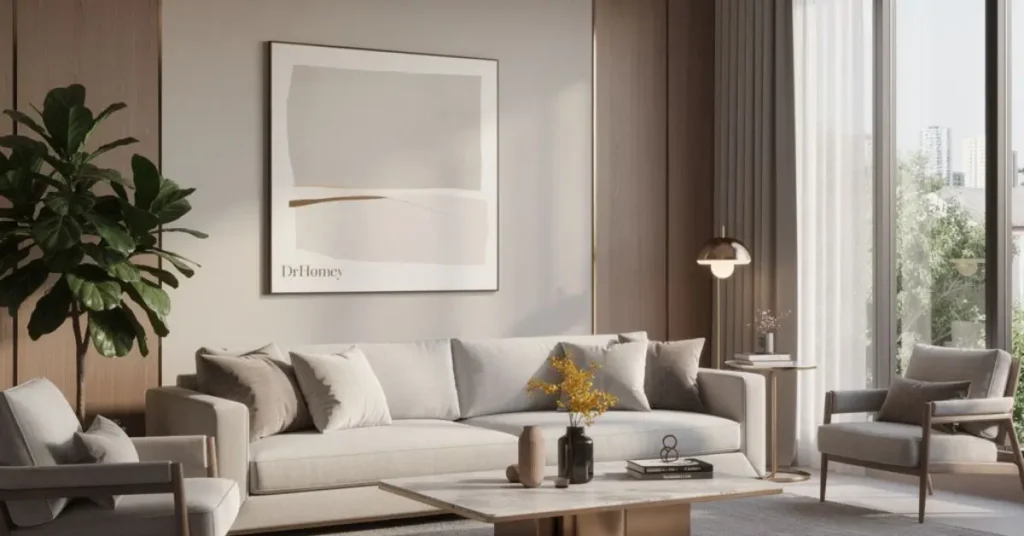
The living room is usually the first space guests see and the place where families spend most of their time together. Getting this room right sets the tone for the entire home.
Start with the furniture layout. The biggest mistake people make is pushing all the furniture against the walls. It feels safer but actually makes the room feel less connected and harder to use. Pull furniture away from the walls and group it to create a conversation area.
Choose a focal point. This could be a fireplace, a large window, a TV, or even a piece of art. Once you identify it, arrange everything else around it.
For color, neutral base tones work well in American homes because they are flexible and easy to update with accessories. Think soft grays, warm beiges, or creamy whites. Then bring in color through throw pillows, curtains, and decorative items.
Real example: A homeowner in Austin, Texas, transformed their living room by simply moving the sofa six feet forward, adding a large area rug to anchor the space, and replacing three small lamps with one statement floor lamp. Total cost: under $300. The result looked like a professional redesign.
Bedroom
The bedroom has one job: help you rest. Every design decision should support that goal.
Keep the color palette calm. Deep blues, soft greens, warm taupes, and neutral whites all work well. Avoid very bright or high-contrast colors, which can make it harder to wind down.
Invest in good lighting. Most bedrooms rely on one overhead light, which is rarely flattering and not very functional. Add bedside lamps, and if possible, a dimmable light option. The ability to lower the light level at night signals to your brain that it is time to sleep.
Declutter aggressively. Clutter in the bedroom is not just visual noise. It actively disrupts sleep quality for many people. Consider under-bed storage, a well-organized closet, and minimal surface items on nightstands.
Kitchen
The kitchen is where function must absolutely come first. A beautiful kitchen that is hard to cook in has failed at its main job.
The interior design DrHomey philosophy here is about creating a work triangle that actually works: the refrigerator, stove, and sink should form a natural movement path with minimal obstacles.
Storage is everything. Pull-out shelves, drawer organizers, and wall-mounted racks can double the usable storage in an average kitchen without any construction.
For visual appeal, the fastest upgrade in any kitchen is usually lighting. Under-cabinet LED strips make countertops brighter and more functional, and they cost very little to install.
Bathroom
Small bathrooms are one of the most common design challenges in American homes. Most people feel like there is nothing they can do with a tiny space, but that is not true.
Mirrors are powerful. A large mirror, or even two smaller mirrors, makes a bathroom feel significantly bigger. The reflection of light and space creates an illusion of depth.
Vertical storage beats horizontal storage in small bathrooms. Tall, narrow shelving units take up minimal floor space but give you plenty of room for towels, products, and other essentials.
Consistent finishes matter. When all your hardware, from faucets to towel bars to cabinet pulls, matches in finish, the room looks more intentional and pulled together, even if everything is modestly priced.
Color, Light, and Space: The Three Pillars
These three elements are the foundation of every good interior design decision.
Color affects emotion directly. Warm colors like reds, oranges, and yellows create energy. Cool colors like blues and greens create calm. Neutrals create flexibility. Choose based on how you want to feel in that room.
Light changes everything. Natural light is ideal wherever possible. Maximize it by keeping windows clean, using lighter window treatments, and placing mirrors strategically. For artificial light, layer it. Overhead light for general use, task lighting for specific activities, and accent lighting for atmosphere.
Space is about how a room feels to move through. Even a small room can feel spacious with the right furniture scale, good traffic flow, and minimal clutter. Always ask: can I move through this room easily?
Common Interior Design Mistakes to Avoid
| Mistake | Why It Hurts | Better Approach |
|---|---|---|
| Furniture too large for the room | Makes space feel cramped | Measure first, buy second |
| All overhead lighting | Harsh and flat look | Layer multiple light sources |
| Matching everything too perfectly | Looks staged, not lived-in | Mix textures and finishes |
| Ignoring scale | Off-balance rooms feel wrong | Vary the height and size of decor |
| Decorating before decluttering | New items get lost in chaos | Clear out before you add in |
How to Start Without Feeling Overwhelmed
The most common reason people never improve their homes is that they do not know where to begin. Here is a simple process that works.
Step one: Pick one room. Do not try to redesign your whole home at once. Choose the room where you spend the most time or the one that bothers you most.
Step two: Define what is not working. Is it too dark? Too cluttered? Furniture in the wrong place? Be specific.
Step three: Make a list of free changes first. Rearrange furniture, declutter, clean windows, move things between rooms. See what changes before you spend any money.
Step four: Budget for targeted improvements. Once you see what the space really needs, you can spend more wisely on the right things.
Step five: Add personal touches last. Art, plants, books, family photos. These are the finishing layers that make a house feel like home.
Frequently Asked Questions
What does DrHomey focus on?
DrHomey shares practical interior design tips on layouts, lighting, colors, and budget-friendly home improvements.
Can I design my home without a professional?
Yes. Most decorating tasks, such as furniture placement, lighting, and color selection, can be done without hiring a designer.
What is the most impactful design change?
Layered lighting with warm bulbs is one of the easiest and most effective ways to transform any room.
How much should I budget for interior design?
A simple room refresh typically costs $200–$500, while larger projects depend on your goals and budget.
How do I choose the right color for my home?
Test paint samples in your space and use a consistent palette of two to three colors for a balanced look.