

Introduction
The Alhambra stands as one of the world’s most magnificent architectural treasures, drawing millions of visitors annually to Granada, Spain. While daytime visits have long dominated tourism patterns at this UNESCO World Heritage Site, the introduction of night tours has created an entirely new dimension of visitor experience and revenue generation. Understanding the Alhambra night tour attendance revenue provides valuable insights into cultural tourism economics, visitor behavior, and heritage site management. This comprehensive guide explores every aspect of how these evening experiences contribute to the financial sustainability of this historic monument while offering visitors unforgettable encounters with Moorish architecture under the stars.
Understanding Alhambra Night Tour Operations
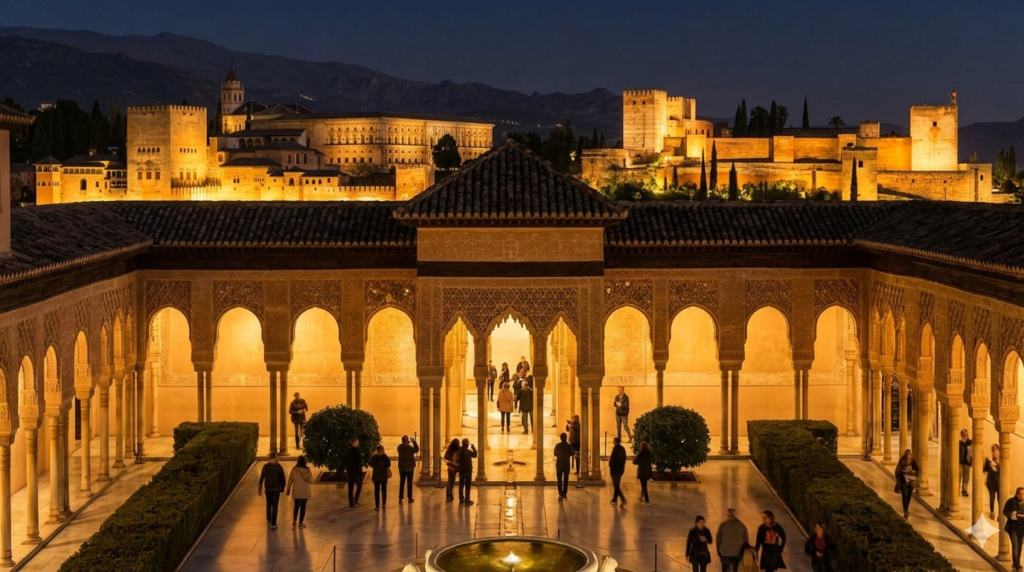
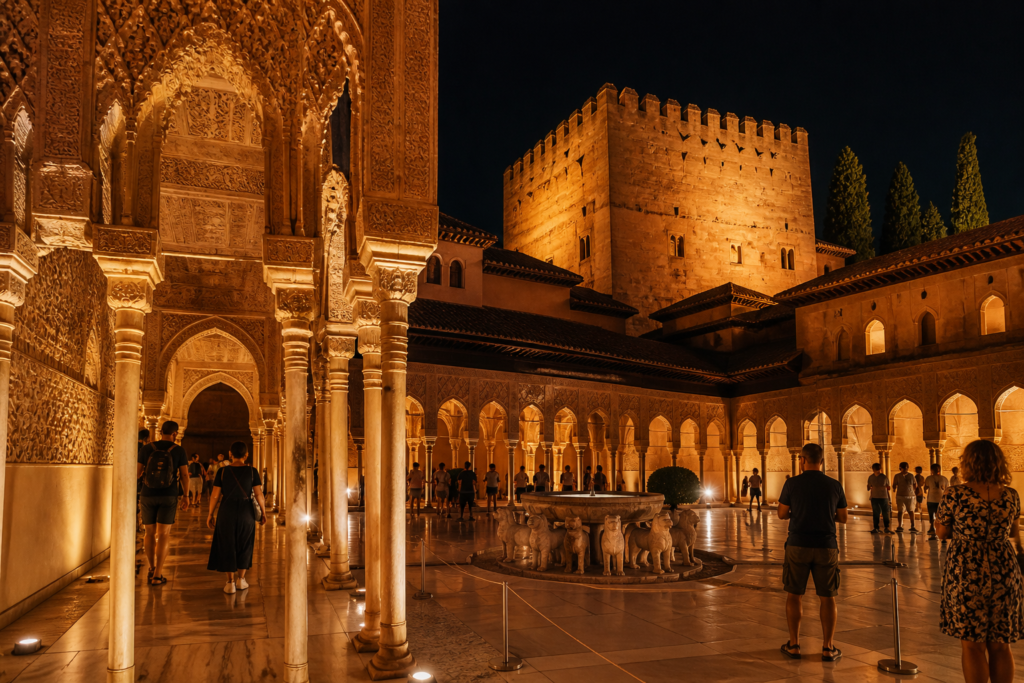
The Alhambra night tours represent a carefully designed program that allows visitors to experience specific sections of the palace complex after dark. Unlike daytime visits that grant access to the entire site, evening tours focus on particular areas that showcase best under artificial illumination. The Nasrid Palaces night tour remains the most popular option, offering intimate access to the intricately decorated royal chambers when shadows and strategic lighting reveal details often missed in daylight.
These specialized tours operate with significantly reduced capacity compared to daytime visits, creating an exclusive atmosphere that justifies premium pricing. The Patronato de la Alhambra y Generalife, the governing body managing the site, implemented night tours as both a revenue diversification strategy and a way to enhance visitor experience through less crowded conditions. The limited availability creates natural demand pressure that supports higher ticket prices.
Operational considerations for night tours differ substantially from daytime management. Lighting systems must illuminate architectural features while preserving the historic character and avoiding light pollution that would detract from the experience. Security requirements increase during evening hours, and specialized staff training ensures guides can effectively communicate the site’s history and architectural significance in low-light conditions. These operational factors directly influence both costs and revenue potential.
Revenue Streams from Alhambra Night Tour Attendance
The Alhambra night tour attendance revenue comes from multiple interconnected sources that together create substantial financial contributions to site preservation and management. Primary revenue derives from ticket sales, with night tour prices typically set at premium rates compared to standard daytime admission. This pricing strategy reflects both the exclusive nature of the experience and the additional operational costs associated with evening access.
Ticket pricing operates on a tiered structure that varies by season, day of week, and specific tour package selected. Peak season rates during spring and fall command higher prices as demand surges from international tourists seeking optimal weather conditions. The differential pricing model maximizes revenue by capturing willingness to pay among different visitor segments while maintaining accessibility during slower periods through moderate price adjustments.
Secondary revenue streams complement direct ticket sales through various enhanced experiences and services. Audio guide rentals provide additional income while improving visitor comprehension of the complex architectural and historical narratives. Private tour options at premium prices cater to luxury travelers seeking personalized experiences. Photography permits and special event bookings during evening hours create additional revenue opportunities that leverage the unique atmospheric qualities of the illuminated palace.
Attendance Patterns Affecting Night Tour Revenue
Seasonal fluctuations significantly impact Alhambra night tour attendance revenue throughout the year. Spring months from March through May bring substantial visitor numbers as pleasant temperatures and extended daylight hours make Granada an attractive destination. The shoulder season in September and October produces similarly strong attendance as travelers seek to avoid peak summer crowds while still enjoying favorable weather conditions.
Summer presents interesting dynamics for night tours despite being the overall peak tourist season in Spain. The intense daytime heat in Granada actually makes evening tours more attractive to many visitors, though some tourists prefer coastal destinations during July and August. Winter months see the lowest night tour attendance, with reduced international travel and shorter evenings limiting demand. However, the reduced competition for tickets during these months can attract dedicated architecture enthusiasts and photography professionals.
Weekly patterns also influence attendance and revenue generation. Weekend nights typically see higher demand from both international tourists and Spanish domestic visitors from nearby cities. Weekday evenings often have greater availability, prompting promotional pricing strategies or package deals that combine night tours with other Granada attractions. Understanding these cyclical patterns allows management to optimize scheduling, staffing, and marketing investments for maximum revenue impact.
Economic Impact of Night Tour Revenue on Site Preservation
The financial contributions from Alhambra night tour attendance revenue play crucial roles in funding ongoing conservation work at this centuries-old monument. Heritage sites face constant challenges from weathering, visitor impact, and the natural deterioration of historical materials. Revenue streams from specialized programs like night tours provide dedicated funding that supplements government allocations and general admission fees.
Conservation projects at the Alhambra require specialized expertise and materials that command premium costs. Restoring delicate stucco work, preserving intricate tile mosaics, and maintaining historic water features demands craftspeople with traditional skills and authentic materials. Night tour revenue specifically funds portions of these preservation efforts, creating a direct connection between visitor experiences and heritage protection that enhances the sustainability of cultural tourism.
The economic model also supports ongoing archaeological research and documentation that deepens understanding of the site’s history and construction techniques. Funds generated through evening programs contribute to employing historians, archaeologists, and conservation scientists whose work ensures that preservation efforts use appropriate methods based on scholarly evidence. This investment in knowledge creation ultimately enhances both conservation outcomes and the quality of information shared with future visitors.
Comparing Day and Night Tour Revenue Models
Analyzing the differences between daytime and evening revenue generation reveals interesting economic dynamics. Daytime tickets significantly outnumber night tour sales in absolute volume, with the Alhambra accommodating thousands of daily visitors during peak season. However, the per-ticket revenue from night tours often exceeds standard daytime admission due to premium pricing and the exclusive nature of the experience.
The cost structures differ substantially between the two programs. Daytime operations benefit from natural lighting and spread fixed costs across larger visitor numbers, achieving economies of scale. Night tours incur additional expenses for lighting, enhanced security, and specialized staff but command premium pricing that compensates for higher per-visitor costs. The financial analysis shows both programs contribute importantly to overall revenue, serving different market segments and optimizing facility utilization.
Marketing expenses also allocate differently between day and night programs. General Alhambra visits require less targeted marketing due to the site’s established reputation and must-see status among Granada visitors. Night tours benefit from specialized marketing emphasizing the unique atmospheric experience and exclusive access, targeting photography enthusiasts, romantic couples, and cultural travelers seeking distinctive experiences beyond standard sightseeing.
Factors Influencing Alhambra Night Tour Attendance Revenue Growth
Tourism trends in the broader Granada region directly affect night tour performance and revenue generation. The city’s growing reputation as a cultural destination, improved transportation connections, and increased international flight options all contribute to expanding the potential visitor pool. Collaborative marketing between the Alhambra administration and Granada tourism authorities leverages these regional strengths to drive awareness of evening tour options.
Digital transformation has revolutionized how visitors discover and book night tours. Online ticketing systems make evening access more convenient for international travelers who can research options and secure reservations before arrival. Social media creates powerful word-of-mouth marketing as visitors share stunning nighttime photographs that inspire others to seek similar experiences. Managing online reputation through review platforms influences visitor decisions and willingness to pay premium prices.
Competitive dynamics within cultural tourism also shape revenue potential. As other European heritage sites develop their own evening programs, the Alhambra must maintain its distinctive appeal and communicate unique value propositions. Strategic positioning emphasizes the site’s architectural splendor, historical significance, and the transformative quality of experiencing Islamic palace architecture under carefully designed illumination that reveals details invisible during daylight visits.
Strategic Management of Night Tour Capacity and Pricing
Capacity management represents a delicate balance between revenue optimization and preservation requirements. The Alhambra night tour attendance revenue depends partially on maintaining exclusivity through limited numbers, but setting capacity too low leaves revenue potential unrealized. Management analyzes wear patterns on historic surfaces, visitor satisfaction data, and financial targets to establish optimal group sizes and total evening capacity.
Dynamic pricing strategies have emerged as tools for maximizing revenue while managing demand across different periods. Higher prices during peak seasons capture willingness to pay among visitors with inflexible travel dates, while moderate pricing during slower periods stimulates demand from price-sensitive travelers. Advanced booking discounts encourage early reservations that improve cash flow and operational planning, while last-minute premium pricing captures spontaneous demand from visitors already in Granada.
Package development creates additional revenue opportunities by bundling night tours with complementary experiences. Combinations including flamenco performances, traditional Moroccan tea ceremonies, or guided walks through the historic Albaicín neighborhood add value for visitors while increasing total spending per customer. These packages appeal particularly to international tourists seeking comprehensive cultural experiences and willing to pay premium prices for curated itineraries.
Technology’s Role in Enhancing Night Tour Revenue
Reservation systems and digital infrastructure have transformed how the Alhambra captures night tour revenue. Online booking platforms enable global reach, allowing travelers worldwide to research, compare, and purchase tickets months in advance. Real-time availability displays create urgency that encourages immediate booking decisions, reducing abandonment rates that plague less sophisticated systems. Payment processing integration supports multiple currencies and methods, removing friction from the purchase experience.
Customer relationship management systems allow the Alhambra to build relationships with past visitors and market future opportunities. Email marketing campaigns targeting previous guests promote return visits and generate word-of-mouth referrals. Data analytics reveal booking patterns, demographic trends, and price sensitivity that inform strategic decisions about capacity allocation, pricing adjustments, and marketing investments across different channels and markets.
Mobile technology enhances the on-site experience in ways that justify premium pricing and generate positive reviews that drive future attendance. Digital audio guides delivered through visitor smartphones provide rich multimedia content without the costs and logistics of maintaining physical devices. Augmented reality applications pilot programs that overlay historical reconstructions onto current spaces, creating immersive experiences that differentiate night tours from standard visits and support higher ticket prices.
International Tourism Trends Affecting Revenue Performance
Global travel patterns significantly influence Alhambra night tour attendance revenue as international visitors comprise the majority of evening tour participants. Economic conditions in key source markets like the United States, United Kingdom, and Canada directly affect travel volumes and spending patterns. Currency exchange rate fluctuations impact the relative affordability of Spanish tourism experiences for foreign visitors, influencing both attendance numbers and willingness to pay premium prices.
Competition from emerging destinations creates pressure on established sites like the Alhambra to continuously enhance value propositions. Morocco’s proximity and authentic Islamic architecture attracts some travelers who might otherwise focus exclusively on Spanish Moorish heritage. Portuguese cities and other Spanish regions compete for limited vacation time and budgets. The Alhambra maintains competitive advantage through its unique architectural significance, the quality of preservation, and specialized experiences like night tours that create distinctive memories.
Demographic shifts in international tourism markets present both opportunities and challenges. Growing middle classes in Asian countries represent expanding markets with increasing interest in European cultural heritage. Younger travelers prioritize experience-driven tourism and Instagram-worthy moments that the illuminated Alhambra readily provides. Marketing strategies increasingly target these emerging segments while maintaining appeal to traditional European and North American markets that have historically formed the visitor base.
Future Projections for Night Tour Revenue Growth
Anticipated developments suggest continued growth potential for Alhambra night tour attendance revenue over coming years. Post-pandemic tourism recovery shows strong demand for outdoor cultural experiences that night tours naturally provide. Pent-up travel demand combines with increased appreciation for meaningful experiences over material consumption, positioning heritage tourism favorably for sustained growth. The Alhambra’s management continues exploring capacity expansion possibilities that balance preservation requirements with revenue optimization.
Innovation in visitor experiences will likely drive future revenue enhancement. Virtual reality previews could market night tours to prospective visitors while generating additional revenue from those unable to travel. Enhanced illumination technologies might reveal architectural details currently invisible, justifying new premium tour categories. Seasonal programming around cultural events or astronomical phenomena could create special edition experiences commanding ultra-premium pricing.
Sustainability considerations increasingly influence tourism development and may affect future operations. Climate change impacts on travel patterns, carbon footprint concerns, and evolving visitor values require adaptation. Night tours positioned as lower-impact alternatives to peak daytime crowding could appeal to environmentally conscious travelers. Investment in renewable energy for lighting systems and carbon offset programs might support premium pricing justified by sustainability commitments that resonate with key visitor demographics.
FREQUENTLY ASKED QUESTIONS
How much revenue do Alhambra night tours generate annually?
While the Patronato de la Alhambra y Generalife does not publicly disclose exact figures broken down by program, industry analysis suggests night tours contribute several million euros annually to total site revenue. The premium pricing structure and consistent high demand during peak seasons make evening programs financially significant despite lower absolute visitor numbers compared to daytime access. Revenue fluctuates based on seasonal attendance patterns and pricing adjustments.
Why are night tour tickets more expensive than daytime admission?
Night tour tickets command premium pricing due to several factors including limited capacity that creates exclusivity, additional operational costs for lighting and security, and the enhanced atmospheric experience that many visitors consider superior to daytime visits. The specialized nature of evening access with reduced crowds justifies higher prices, and market demand consistently supports the premium pricing structure across different seasons.
When do night tours generate the highest attendance and revenue?
Peak revenue periods for Alhambra night tours typically occur during spring months from April through May and autumn months in September and October. These shoulder seasons offer pleasant evening temperatures and attract high volumes of international tourists. Weekend nights throughout the year generally outperform weekdays. Summer evenings also perform well as cooler temperatures make night tours attractive alternatives to daytime heat.
How does night tour revenue support Alhambra preservation?
Revenue from night tour attendance directly funds ongoing conservation projects including restoration of decorative elements, structural maintenance, and archaeological research. The financial contributions supplement government funding and general admission fees, providing resources for specialized craftspeople, authentic materials, and scientific conservation methods. This revenue stream helps ensure the site’s preservation for future generations while improving current visitor experiences.
Can night tour revenue growth continue sustainably?
Sustainable growth potential exists through strategic capacity management, enhanced experiences justifying premium pricing, and expanding international market reach. However, preservation requirements impose limits on total visitor numbers. Future revenue growth will likely come from optimized pricing strategies, premium experience development, and technological enhancements rather than simply increasing visitor volume. Balancing conservation needs with financial sustainability remains the central management challenge.
CONCLUSION
The Alhambra night tour attendance revenue represents a sophisticated intersection of cultural heritage management, tourism economics, and visitor experience optimization. These evening programs have successfully created new revenue streams that support preservation while offering visitors extraordinary opportunities to experience one of the world’s architectural masterpieces in atmospheric conditions that reveal its beauty in unique ways. The financial model balances capacity constraints necessary for conservation with pricing strategies that capture value from the exclusive experiences provided. Understanding the complex factors influencing attendance patterns, from seasonal fluctuations and international tourism trends to competitive dynamics and technological innovations, reveals how heritage sites can develop sustainable economic models in the modern tourism landscape. As global travel continues recovering and evolving, the Alhambra’s night tour program demonstrates how historic sites can adapt to changing visitor preferences while maintaining their preservation missions. The success of this revenue generation model offers valuable lessons for other cultural heritage destinations seeking to enhance financial sustainability without compromising conservation principles. Whether you approach this topic as a tourism professional, cultural heritage advocate, or simply someone fascinated by the economics of preserving our shared architectural legacy, the Alhambra night tour revenue story illustrates the possibilities for creative heritage management that serves both preservation and public access goals simultaneously.