

Introduction
Living in a home that feels cluttered, dark, or poorly arranged can make daily routines stressful. Many homeowners and apartment renters want a stylish, functional space, but they get overwhelmed by expensive furniture showrooms and confusing design trends. Without a clear plan, buying random decor pieces often results in rooms that feel chaotic and disconnected.
Learning practical interior decorating rules solves these everyday layout problems. Creating a beautiful home does not require a massive budget or an architecture degree. When you know how to balance scale, arrange lighting, and pick cohesive color palettes, you can turn any floor plan into a peaceful, functional sanctuary.
In this comprehensive guide, you will discover simple room styling formulas, smart spatial layouts, and practical ways to make your home feel both modern and comfortable.
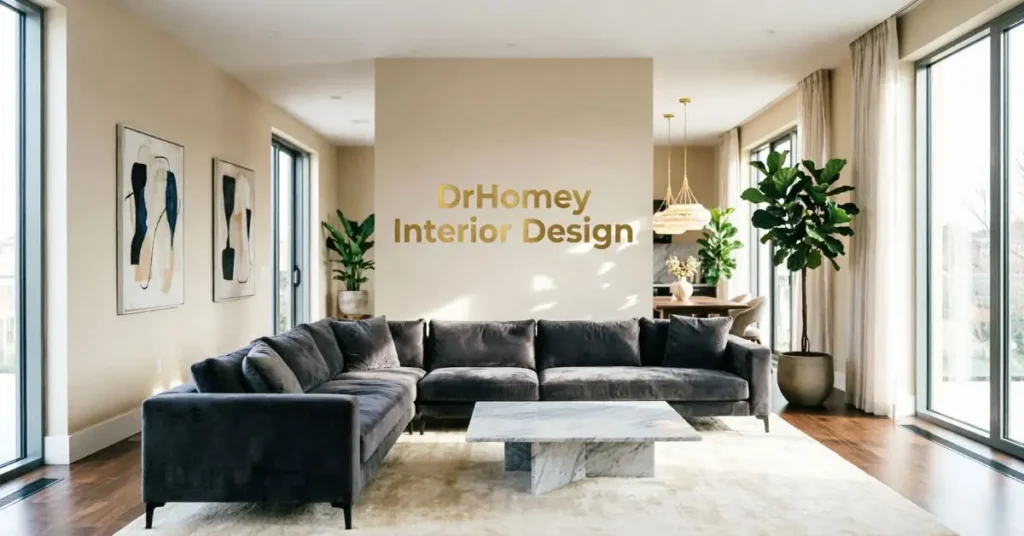
The concept of drhomey interior design refers to an approach that blends comfortable living with practical modern aesthetics. This design method focuses on maximizing natural light, arranging functional layouts, using organic materials, and balancing color palettes to transform standard residential rooms into welcoming, stylish, and highly livable home environments.
Quick Summary
Successful home design combines functional floor plans, layered lighting, and natural materials. Use the 60-30-10 color rule to balance room palettes, arrange furniture around clear walking paths, layer light across three distinct heights, and select durable materials like solid wood, linen, and clay to create a welcoming atmosphere.
What Is the Core Design Philosophy?
Great interior design is never just about how a room looks in a photograph. It is about how the room feels when you live, work, and relax in it every day. A home can feature expensive designer furniture, but if the seating is uncomfortable or the lighting is harsh, nobody will enjoy spending time there.
Embracing the principles of drhomey interior design means putting daily comfort first while maintaining a clean, cohesive visual style. This philosophy focuses on four foundational elements:
- Practical Flow: Ensuring that walkways are clear and that furniture placement supports everyday activities.
- Warm Minimalism: Keeping surfaces tidy without making rooms feel cold, empty, or sterile.
- Biophilic Connection: Incorporating natural sunlight, house plants, and organic textures to create a calming indoor atmosphere.
- Timeless Quality: Choosing versatile, well-made core pieces over fast-moving fad items that go out of style quickly.
When you design with these priorities in mind, your home becomes easier to clean, more relaxing to live in, and flexible enough to adapt as your needs change over time.
Room-by-Room Styling Frameworks
Every room in a home serves a distinct purpose. Decorating each space requires balancing specific functional needs with your overall design theme.
Applying drhomey interior design across different living zones ensures harmony throughout your entire floor plan:
Whole-Home Design Roadmap
├── Living Room (Conversational seating, focal point balance, layered rugs)
├── Primary Bedroom (Restful palette, soft textiles, warm accent lighting)
├── Kitchen & Dining (Durable counters, functional task lights, open storage)
└── Bathroom & Entry (Moisture-resistant accents, smart storage, clean lines)
1. The Living Room: Balancing Connection and Comfort
The living room is where people gather to talk, watch movies, and unwind. Start by identifying the natural focal point of the room, such as a fireplace, a large picture window, or a media center. Arrange your main sofa and accent chairs around this focal point.
Leave at least 30 to 36 inches of open space for main walkways so people can move through the room without bumping into furniture. Place your coffee table 14 to 18 inches away from the sofa, which keeps drinks and books within easy reach while leaving plenty of legroom.
2. The Bedroom: Crafting a Restful Retreat
The bedroom should be dedicated to rest, quiet reading, and recovery. Choose a calm, muted color palette with soft shades of oat, taupe, sage green, or warm white. Keep work desks and exercise equipment out of the bedroom whenever possible to preserve a peaceful environment.
Frame the bed with a sturdy headboard and matching or complementary nightstands. Invest in high-quality, breathable bedding materials like washed linen or long-staple cotton to improve your sleep comfort throughout the year.
3. Kitchen and Dining Areas: Functional Warmth
Kitchens require durable surfaces that can handle daily cooking and cleaning. Balance cold stainless steel appliances and stone countertops by adding warm wood cutting boards, handmade ceramic fruit bowls, and woven counter stools.
In the dining room, select a table that leaves at least 36 inches of space between the table edge and the nearest wall. This gives guests plenty of room to push back their chairs and stand up comfortably.
4. Entryways and Hallways: Creating a Welcoming Transition
Your entryway gives guests their first impression of your home. Place a slim console table or a floating shelf near the door for keys and mail. Mount a few brass or matte black wall hooks for coats, and position a large wall mirror to bounce natural light into narrow hallways.
Mastering the 60-30-10 Color and Texture Balance
One of the easiest ways to make a room look professionally designed is to use the 60-30-10 color formula. This mathematical balance prevents a room from looking either chaotic or boring.
- 60 Percent Base Color: This dominant shade covers your walls, large area rugs, and primary furniture pieces. Soft neutral tones like warm cream, beige, or pale gray create a versatile canvas.
- 30 Percent Secondary Color: This supporting color provides visual contrast and depth. Use it on curtains, accent chairs, bedding, and painted cabinetry. Popular secondary tones include olive green, muted navy, terracotta, and warm charcoal.
- 10 Percent Accent Color: This bold spark of color appears on throw pillows, art prints, decorative vases, and metallic hardware. Think brushed brass, deep amber, or matte black.
In addition to color, pay close attention to texture layering. A room decorated entirely in smooth fabrics will feel flat. Pair a smooth leather sofa with a chunky knit blanket, a rough jute area rug, and raw ceramic pottery. Mixing textures creates visual richness without adding clutter.
Budget vs. Premium Design Implementation
The table below illustrates how drhomey interior design balances budget elements with luxury upgrades:
| Design Component | Affordable Budget Approach | Premium Custom Approach |
|---|---|---|
| Primary Wall Finish | High-coverage matte latex paint ($45/gal) | Custom lime wash or textured plaster |
| Flooring Foundation | Woven natural jute or sisal rug ($150-$300) | Hand-knotted vintage wool oriental rug |
| Seating Materials | Performance polyester or slipcovered cotton | Full-grain aniline leather or custom velvet |
| Cabinet Hardware | Solid brass pulls from direct-to-consumer shops | Hand-forged custom architectural ironwork |
| Window Treatments | Ready-made linen curtain panels ($40-$80/pair) | Custom floor-to-ceiling pleated drapery |
| Accent Lighting | Ceramic table lamps with linen drum shades | Hand-blown artisan glass pendant fixtures |
Real-World Renovation Example with Cost Breakdown
You do not need to spend tens of thousands of dollars to dramatically improve a living space. Strategic updates often deliver the biggest visual transformation for a modest investment.
Using drhomey interior design principles on a budget allows homeowners to maximize every dollar.
Consider this realistic US example: A family living in an 850-square-foot townhouse in Columbus, Ohio wanted to refresh their dark, dated living room on a $1,200 total budget.
Here is how they allocated their funds:
- Paint and Supplies ($120): Three gallons of warm off-white paint to brighten dark tan walls and baseboards.
- Lighting Upgrades ($180): Two thrifted ceramic table lamps fitted with new linen drum shades and warm 2700K LED bulbs.
- Large Area Rug ($280): A 9×12 natural jute area rug to define the main seating zone.
- Textiles and Soft Goods ($220): Four linen throw pillow covers, a waffle-knit cotton blanket, and two pairs of floor-length curtains.
- Wall Art and Shelving ($210): Three large wooden picture frames with personal travel photos and two floating oak wall shelves.
- Indoor Houseplants ($190): A tall fiddle leaf fig, a potted snake plant, and a hanging pothos plant in clay pots.
In a single weekend of work, the family transformed a dark, uninspired room into a bright, inviting living space while staying under their $1,200 budget limit.
The Three-Tier Lighting System
Lighting makes or breaks an interior space. Many homeowners make the mistake of relying on a single bright ceiling light, which casts harsh shadows and makes living spaces feel sterile.
A central pillar of drhomey interior design involves creating balanced illumination across three heights:
Three-Tier Lighting Setup
├── 1. Ambient Layer (Recessed lights, central ceiling fixtures with dimmers)
├── 2. Task Layer (Reading floor lamps, under-cabinet kitchen LED strips)
└── 3. Accent Layer (Table lamps on credenzas, bookshelf lights, candles)
Ambient Illumination
Ambient lighting provides general illumination for safety and visibility. Always install dimmer switches on your primary ceiling fixtures so you can adjust brightness levels based on the time of day.
Dedicated Task Lighting
Task lights focus direct illumination on specific work surfaces. Use an adjustable desk lamp for home office work, a focused reading lamp next to your favorite armchair, and bright under-cabinet lighting for kitchen food preparation.
Mood Accent Lighting
Accent lighting creates warmth and visual interest around the edges of a room. Small table lamps placed on bookshelves, console tables, and window sills eliminate dark corners and make rooms feel cozy in the evening. Always choose warm white bulbs rated between 2700K and 3000K for living rooms and bedrooms.
Selecting Durable and Sustainable Materials
Fast furniture made from cheap particle board and synthetic plastics often breaks down after only a few years of use. Modern decorating favors sustainable, durable materials that look better as they age.
Focus on these timeless materials when furnishing your home:
- Solid Hardwoods: Oak, walnut, and maple offer natural grain patterns, exceptional strength, and the ability to be sanded down and refinished over time.
- Natural Fibers: Cotton, linen, wool, and jute are breathable, biodegradable, and comfortable against the skin.
- Clay and Ceramics: Terracotta planters, stoneware vases, and ceramic tiles add earthy charm and human craftsmanship to shelves and tables.
- Natural Metals: Brass, copper, and blackened steel develop a natural patina over time, giving hardware and light fixtures lasting character.
Investing in high-quality natural materials reduces waste, saves money on frequent replacements, and gives your home a grounded, organic atmosphere.
Common Interior Styling Mistakes to Avoid
Avoiding common decorating traps will save you time, money, and frustration when setting up your rooms.
Hanging Artwork at the Wrong Height
Many people hang wall art too high on the wall. The center of a picture frame or gallery wall should sit at eye level, which is approximately 57 to 60 inches from the floor to the center of the artwork.
Choosing an Area Rug That Is Too Small
A small rug makes a room feel cramped and fragmented. Your area rug should be large enough that at least the front two legs of all main seating pieces sit securely on top of it.
Pushing Furniture Flat Against Every Wall
Pushing every sofa and chair flat against the walls leaves an awkward dead space in the middle of the room. Pulling seating a few inches away from walls creates cozier seating groups and makes rooms feel larger.
Ignoring Scale and Proportion
Placing an oversized sectional sofa in a compact living room makes the space feel crowded. Measure your room dimensions and doorway clearances carefully before buying large furniture items.
Conclusion
Designing a beautiful, comfortable home is an ongoing process of creativity and practical planning. Transforming your living space with drhomey interior design creates a functional, stylish sanctuary that supports your daily lifestyle and brings joy to your family.
By focusing on clear spatial flow, applying the 60-30-10 color balance, layering warm lighting across three levels, and selecting durable natural materials, you can create rooms that remain timeless and inviting for years to come.
Reviewing your drhomey interior design layout every few seasons lets you make small, affordable adjustments that keep your home fresh, organized, and inspiring.
If you found this interior decorating guide helpful, share it with friends and explore our other home design resources to discover more creative room styling inspiration.
Frequently Asked Questions
What is DrHomey interior design?
DrHomey interior design focuses on practical layouts, warm colors, layered lighting, and comfortable spaces.
How can I make a small living room look bigger?
Use light colors, mirrors, open walkways, and furniture with exposed legs to create a more spacious feel.
What lighting is best for a home?
Warm white lighting between 2700K and 3000K works best for living rooms and bedrooms.
What is the 60-30-10 decorating rule?
Use 60% dominant color, 30% secondary color, and 10% accent color for a balanced look.
How can I decorate on a tight budget?
Focus on paint, furniture rearrangement, affordable lighting, plants, and budget-friendly textiles.