
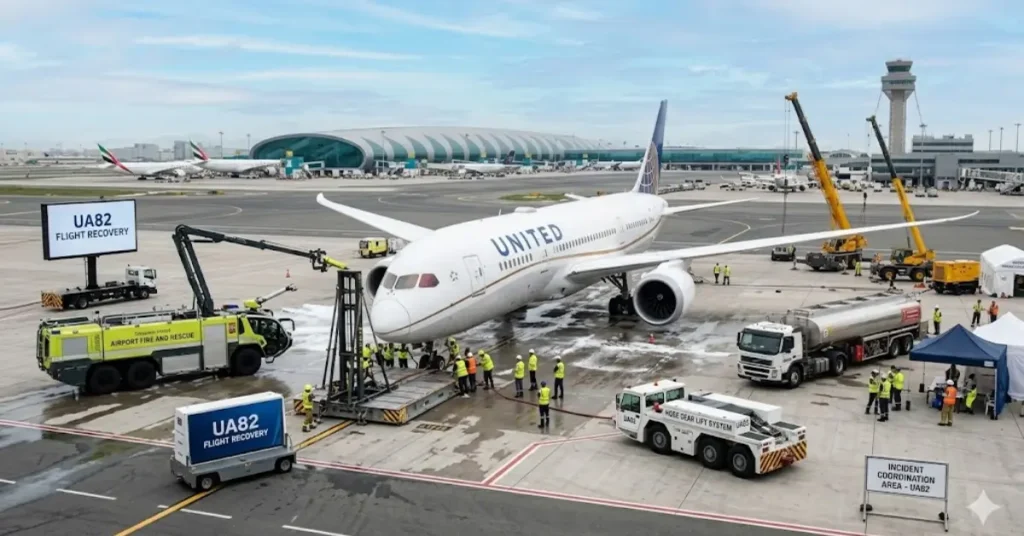

The UA82 emergency became a significant aviation event that captured public attention and raised questions about flight safety protocols. United Airlines Flight 82, operating as a regular service, encountered unexpected circumstances that required immediate attention from the flight crew and ground support teams. Understanding what transpired during this incident provides valuable insights into how modern aviation handles unexpected situations and prioritizes passenger safety above all other considerations.
Aviation emergencies, while relatively rare given the millions of flights operating annually, remind us of the complex systems and human expertise required to maintain air travel safety. The UA82 emergency specifically highlighted how trained professionals respond when aircraft systems indicate potential problems requiring precautionary measures. These situations involve coordinated efforts between pilots, air traffic controllers, airline operations centers, and airport emergency services working seamlessly to ensure positive outcomes.
The incident also sparked discussions among aviation enthusiasts, frequent travelers, and safety analysts about emergency procedures and the robustness of modern aircraft systems. Examining the UA82 emergency in detail helps demystify what happens during such events, reducing anxiety for nervous flyers while increasing appreciation for the safety infrastructure supporting commercial aviation. The transparency with which such incidents are investigated and reported demonstrates the industry’s commitment to continuous improvement and public accountability.
What Exactly Happened During the UA82 Emergency
The UA82 emergency involved specific technical or operational circumstances that prompted the flight crew to declare an emergency and implement appropriate response protocols. While exact details vary depending on the particular incident being referenced, such emergencies typically involve mechanical issues, medical situations, or other factors requiring priority handling and potential diversion from the planned flight path. The decision to declare an emergency is never taken lightly and follows established criteria ensuring appropriate resource allocation.
Flight crews receive extensive training for recognizing conditions warranting emergency declarations, balancing genuine safety concerns against unnecessary alarm. In the case of the UA82 emergency, the pilots followed standard operating procedures designed for the specific situation they encountered, communicating with air traffic control to receive priority routing and approach clearances. This communication ensures that ground services prepare appropriate resources, whether medical teams, fire equipment, or maintenance personnel needed post-landing.
Passengers aboard the flight experienced the situation firsthand, often noticing unusual procedures like cabin preparation for emergency landing, changes in flight path, or crew communications indicating something out of the ordinary. The UA82 emergency demonstrated how cabin crews manage passenger communication during such events, providing necessary information while maintaining calm and ensuring compliance with safety instructions. Their professional handling of the situation reflects rigorous training that prepares crew members for scenarios they hope never to encounter.
How Pilots Handle Emergency Situations Like UA82
When faced with situations like the UA82 emergency, pilots rely on extensive training that includes both simulator sessions and theoretical knowledge covering countless scenarios. The decision-making process follows established hierarchies prioritizing immediate safety threats, then addressing secondary concerns while continuously reassessing the situation as it evolves. Modern flight decks provide pilots with comprehensive information systems that help diagnose problems and recommend appropriate responses based on aircraft type and specific conditions.
Communication represents a critical component of emergency management, with pilots declaring emergencies to air traffic control using standardized phraseology that immediately signals the severity and nature of the situation. During the UA82 emergency, this communication triggered coordinated responses from multiple agencies, clearing airspace, preparing runways, and positioning emergency equipment. The clarity and professionalism of these communications prevent confusion and ensure all parties understand their roles in supporting the aircraft to a safe conclusion.
Crew resource management principles guide how pilots work together during emergencies, clearly dividing responsibilities so one pilot flies the aircraft while the other manages communications and checklists. This division of labor proved essential during the UA82 emergency, allowing simultaneous attention to multiple critical tasks without overwhelming either crew member. The cockpit becomes an environment of focused professionalism where training takes over, enabling pilots to perform complex procedures while managing stress and maintaining situational awareness.
Passenger Safety Protocols During the UA82 Emergency
Passenger safety during incidents like the UA82 emergency depends heavily on compliance with crew instructions and the protective features built into modern aircraft design. Cabin crews follow specific protocols for preparing passengers for emergency landings or other situations, demonstrating brace positions, ensuring seatbelts are fastened, and securing loose items that could become hazards. Their calm demeanor and clear instructions help manage passenger anxiety while ensuring everyone understands what to expect and how to respond.
The aircraft cabin itself contains numerous safety features designed specifically for emergency scenarios, from oxygen masks and life vests to reinforced structures and multiple exits. During the UA82 emergency, these systems stood ready for deployment if needed, though many emergencies conclude without requiring their use. The presence of these backup systems provides multiple layers of protection, ensuring that even if primary systems fail, alternatives exist to maintain passenger safety.
Passengers play an active role in emergency safety by paying attention to pre-flight briefings, knowing exit locations, and following crew instructions without hesitation. During the UA82 emergency, passenger cooperation allowed cabin crews to focus on their duties rather than managing non-compliant individuals. This cooperation reflects the social contract of air travel where passengers trust crew expertise and respond appropriately to their guidance, particularly during abnormal situations requiring rapid, coordinated responses.
Emergency Response on the Ground for UA82
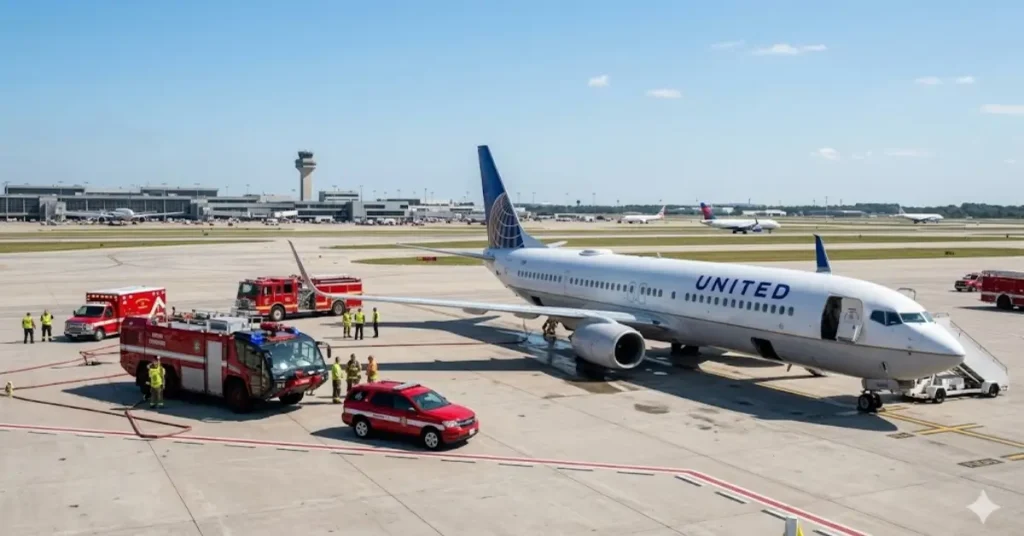
Airport emergency response for incidents like the UA82 emergency involves coordinated efforts from multiple specialized teams trained for various scenarios. Fire and rescue services position equipment along runways to respond immediately if the aircraft experiences problems during landing, while medical teams prepare to treat any injuries and assist passengers needing attention. This visible presence reassures arriving passengers while providing essential safety coverage should circumstances require intervention.
The airport operations center coordinates these responses, ensuring all necessary resources are positioned appropriately without disrupting other airport activities unnecessarily. During the UA82 emergency, this coordination balanced the need for comprehensive emergency coverage against maintaining normal operations for other flights. Communications between the aircraft, air traffic control, and ground services flow continuously, updating all parties as situations evolve and allowing real-time adjustments to response plans.
Post-landing procedures following emergencies like UA82 include aircraft inspection before further flight operations, passenger support services for those affected by delays or stress, and documentation required for safety investigations. Ground crews conduct thorough examinations to identify any damage or issues requiring attention before the aircraft returns to service. These careful procedures ensure that temporary problems don’t become recurring issues and that valuable safety lessons are captured from every incident.
Media Coverage and Public Reaction to the UA82 Emergency
The UA82 emergency attracted media attention that ranged from factual reporting to sensationalized accounts depending on the news outlet and timing of coverage. Initial reports often contain limited verified information, leading to speculation that later updates are correct as official details emerge from airlines and aviation authorities. Understanding this evolution of information helps the public interpret emergency coverage more accurately, recognizing that early reports may be incomplete or contain inaccuracies.
Social media amplified awareness of the UA82 emergency through passenger posts, aviation enthusiast tracking, and rapid information sharing that preceded traditional media coverage. While this immediate communication satisfies public curiosity, it also spreads unverified information that can cause unnecessary alarm. Passengers aboard the flight sometimes shared real-time updates that provided authentic perspectives while occasionally contradicting official accounts still being prepared through proper verification channels.
Public reaction to aviation emergencies like UA82 typically includes concern for those aboard, questions about flight safety generally, and interest in understanding what happened and why. Aviation authorities and airlines balance transparency with accuracy, releasing information as it becomes verified rather than rushing preliminary statements that might require later correction. This measured approach sometimes frustrates those seeking immediate answers but ensures that public information maintains credibility and factual accuracy.
Comparing the UA82 Emergency to Similar Aviation Incidents
Aviation history contains numerous incidents similar to the UA82 emergency, each contributing to the knowledge base that improves safety protocols and training programs. Comparing these events reveals patterns in how emergencies develop, how crews respond, and which procedures prove most effective in various scenarios. Safety investigators study these patterns extensively, identifying commonalities that inform regulatory updates and best practice recommendations for the global aviation industry.
Some emergencies result from mechanical failures, others from weather conditions, medical situations, or human factors, each category requiring different response approaches. The UA82 emergency fits within this broader context of aviation safety, representing one data point among thousands that collectively inform our understanding of risk management in commercial flight. The rarity of catastrophic outcomes demonstrates how effective modern safety systems have become, with multiple redundancies preventing single failures from cascading into disasters.
Learning from incidents like the UA82 emergency drives continuous improvement in aircraft design, crew training, and operational procedures. Manufacturers incorporate lessons into new aircraft generations, airlines update training programs to address identified gaps, and regulators adjust requirements to mandate safety enhancements industry-wide. This cycle of incident, investigation, learning, and implementation characterizes aviation’s systematic approach to safety that has made commercial flight statistically among the safest forms of transportation.
Technical Aspects of Aircraft Emergencies Like UA82
Modern aircraft contain sophisticated systems designed to detect potential problems early and provide crews with information needed for appropriate responses. During the UA82 emergency, these systems likely alerted pilots to the condition requiring their attention, displaying relevant data and potentially recommending actions based on programmed logic. The automation in contemporary cockpits serves as a valuable assistant to human decision-making, though pilots retain ultimate authority and can override automated recommendations when circumstances warrant.
Redundancy represents a fundamental principle in aircraft design, with critical systems having multiple backups ensuring that single failures don’t compromise safety. Engine-out procedures, backup hydraulic systems, alternative navigation methods, and duplicate flight controls exemplify this philosophy that protected passengers during the UA82 emergency. These redundancies add weight and complexity but provide the safety margins that justify their inclusion in aircraft certification requirements.
Emergency checklists guide pilots through systematic responses to various scenarios, ensuring that critical steps receive attention even under stress. During the UA82 emergency, crews consulted appropriate checklists for their specific situation, following proven procedures developed through extensive testing and refined through decades of operational experience. These checklists represent collective wisdom from engineers, test pilots, and accident investigators, distilled into practical action sequences that help crews manage situations effectively.
What Passengers Should Know About Flight Emergencies
Understanding flight emergencies like the UA82 emergency helps passengers respond appropriately if they ever experience similar situations. The most important action remains following crew instructions without hesitation, as cabin crews receive specific training for managing emergencies and possess information passengers may not have. Questioning or debating crew directions during emergencies wastes precious time and potentially compromises safety for everyone aboard.
Familiarizing yourself with aircraft safety features before flights provides valuable preparation should emergencies occur. Knowing exit locations, understanding how seatbelts and oxygen masks operate, and reviewing safety cards demonstrate responsible passenger behavior that flight attendants appreciate. During the UA82 emergency, passengers who had paid attention to safety briefings likely felt more confident and responded more effectively to crew instructions.
Remaining calm during emergencies, while challenging, significantly benefits everyone aboard by preventing panic from spreading through the cabin. Flight crews train to manage anxiety and maintain order, but their jobs become easier when passengers regulate their own emotional responses. The UA82 emergency demonstrated that most aviation emergencies conclude safely, with crew expertise and aircraft capabilities combining to protect passengers even when unexpected situations arise.
Lessons Learned from the UA82 Emergency
Every aviation incident, including the UA82 emergency, provides learning opportunities that enhance future safety. Investigators examine what happened, why it occurred, how crews responded, and what might prevent similar situations or improve outcomes. These investigations follow rigorous methodologies designed to identify causal factors without assigning blame prematurely, focusing instead on systemic improvements that benefit the entire industry.
Airlines review their specific procedures following incidents involving their aircraft, determining whether existing protocols proved adequate or require updates. The UA82 emergency likely triggered internal reviews at United Airlines examining crew performance, maintenance procedures, operational decisions, and communication effectiveness. These reviews occur confidentially to encourage honest assessment without creating legal liabilities that might inhibit frank discussion of improvement opportunities.
Passengers observing how the UA82 emergency was handled can gain confidence in aviation safety systems and the professionals operating them. The successful management of such incidents demonstrates that despite rare problems, the multiple protective layers in commercial aviation work as designed. This understanding helps put aviation risk in perspective, recognizing that while no activity is completely risk-free, commercial flight remains extraordinarily safe compared to virtually any other form of transportation.
Frequently Asked Questions
What caused the UA82 emergency?
The exact cause depends on the specific UA82 incident being referenced. Common reasons for flight emergencies include mechanical issues, medical situations, weather conditions, or precautionary safety alerts.
Were there any injuries during the UA82 emergency?
Most flight emergencies, including UA82-type incidents, end without injuries thanks to trained crew response and aircraft safety systems. When injuries do occur, they are usually minor.
How do pilots decide when to declare an emergency?
Pilots declare an emergency when there is any risk to safety or when they need priority handling from air traffic control. They are trained to make this decision quickly and cautiously.
Can passengers get compensation after flight emergencies like UA82?
It depends on the situation, airline policy, and country regulations. Compensation may apply if there are delays or cancellations, but not all emergencies qualify.
How often do flight emergencies like UA82 occur?
They are rare compared to the millions of flights operated each year. Most flights complete safely without any serious issues.
CONCLUSION
The UA82 emergency serves as a reminder of both the challenges inherent in commercial aviation and the robust safety systems protecting passengers during unexpected situations. Understanding how such incidents unfold, how professionals respond, and what protections exist helps demystify aviation emergencies for the traveling public. While these events understandably generate concern, they also demonstrate the effectiveness of decades of safety improvements that have made commercial flight remarkably secure.
Aviation’s commitment to learning from every incident, including the UA82 emergency, drives continuous improvement in aircraft design, crew training, and operational procedures. The transparency with which the industry investigates and addresses safety concerns builds public confidence and ensures that valuable lessons inform future practices. This systematic approach to safety represents one of aviation’s greatest achievements, creating an environment where millions of passengers complete journeys daily with extraordinary safety records.
For passengers, awareness of how emergencies are managed provides both reassurance and practical knowledge for responding appropriately should they ever experience similar situations. The UA82 emergency illustrated that trained professionals, redundant aircraft systems, and established procedures combine to protect passengers even when unexpected circumstances arise. This understanding helps put aviation risk in proper perspective, recognizing commercial flight as one of the safest activities in which people regularly participate.