

Introduction
The concept of contemporary comfort mipimprov has emerged as a guiding principle for creating living spaces that blend modern aesthetics with genuine livability. In today’s fast-paced world, people crave environments that offer both visual appeal and functional relaxation. This approach to interior design and lifestyle improvement focuses on crafting spaces where style never compromises comfort, and where every element serves both practical and emotional needs.
Contemporary comfort goes beyond simply placing comfortable furniture in a room. It represents a holistic philosophy that considers lighting, materials, spatial flow, color psychology, and personal wellness. The mipimprov methodology emphasizes continuous improvement and adaptation, recognizing that comfort needs evolve with changing lifestyles, seasons, and life stages. This dynamic approach ensures that living spaces remain relevant and nurturing over time.
When people first explore contemporary comfort mipimprov principles, they often discover that small, intentional changes can dramatically transform how a space feels. The beauty of this approach lies in its accessibility. You don’t need massive budgets or complete renovations to implement these ideas. Instead, understanding core principles and applying them thoughtfully creates environments that genuinely support wellbeing and relaxation.
The Foundation of Modern Comfort Design
Building a comfortable contemporary space starts with understanding what comfort truly means in today’s context. Unlike traditional comfort that often focused solely on physical softness, modern comfort encompasses sensory experiences, emotional responses, and practical functionality. The contemporary comfort mipimprov approach recognizes that genuine comfort addresses multiple dimensions of human experience simultaneously.
Physical comfort remains fundamental and involves selecting furnishings that support the body properly while inviting relaxation. This means investing in quality seating with appropriate support, choosing mattresses that align with sleep preferences, and ensuring that frequently used items are easily accessible. However, physical comfort also extends to room temperature control, air quality, and acoustic considerations that affect how restful a space feels.
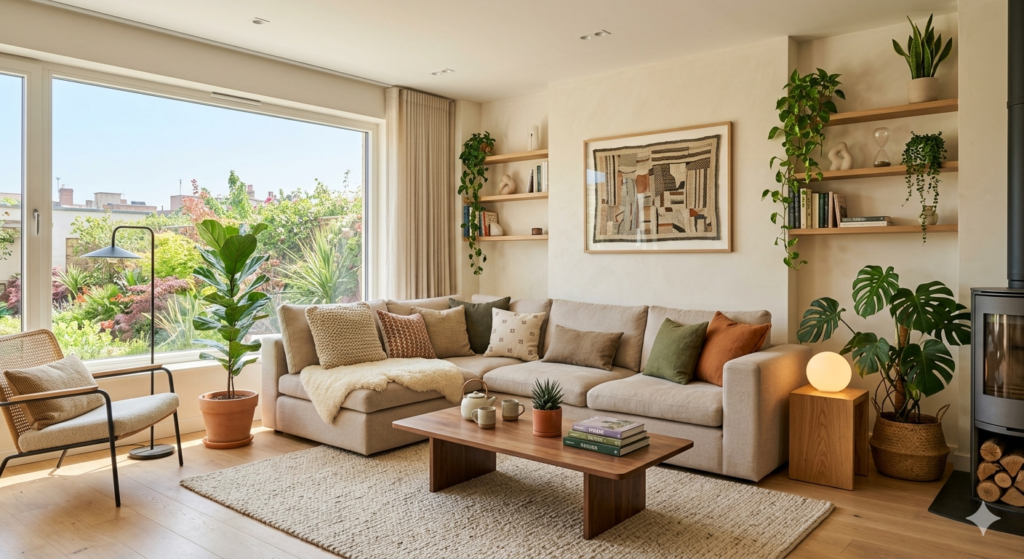
Visual comfort represents another crucial dimension that contemporary design addresses thoughtfully. Spaces that feel comfortable to inhabit typically avoid visual clutter, harsh contrasts, and chaotic arrangements. Instead, they employ balanced compositions, harmonious color palettes, and intentional focal points that allow the eye to rest. The mipimprov philosophy encourages regular assessment of visual elements, removing what no longer serves the space and refining arrangements to enhance tranquility.
Emotional comfort, perhaps the most personal aspect, involves creating environments that reflect individual personalities and support mental wellbeing. This might include displaying meaningful objects, incorporating favorite colors, or designating specific areas for activities that bring joy. Understanding this multifaceted nature of comfort allows for more thoughtful decision-making when designing or updating living spaces.
Furniture Selection for Contemporary Comfort MipImprov
Choosing the right furniture forms the backbone of any comfortable contemporary space, and the contemporary comfort mipimprov approach offers clear guidance for making selections that stand the test of time. Modern furniture should balance clean aesthetics with genuine usability, avoiding pieces that sacrifice comfort for visual impact or trend appeal.
Sofas and seating arrangements deserve particular attention since they anchor living spaces and receive heavy use. Contemporary comfort prioritizes appropriate depth, supportive cushioning, and durable fabrics that maintain their appearance through regular use. The mipimprov methodology suggests testing furniture extensively before purchasing, sitting in various positions to ensure it accommodates different activities from reading to socializing to relaxing.
Scale and proportion matter tremendously in contemporary spaces. Furniture that’s too large overwhelms rooms and restricts movement, while pieces that are too small appear lost and fail to provide adequate comfort. Measuring spaces carefully and considering traffic flow ensures that furniture enhances rather than hinders daily life. The contemporary comfort mipimprov philosophy emphasizes that rooms should feel spacious even when fully furnished, with clear pathways and breathing room around major pieces.
Material selection influences both comfort and longevity. Natural materials like wood, linen, and leather often age gracefully while maintaining comfort, whereas some synthetic options may degrade quickly or feel less inviting. However, contemporary design also embraces high-quality manufactured materials that offer specific benefits like stain resistance or easy maintenance. The key is choosing materials that align with lifestyle needs while supporting the desired aesthetic and comfort level.
Color Psychology in Contemporary Comfort Spaces
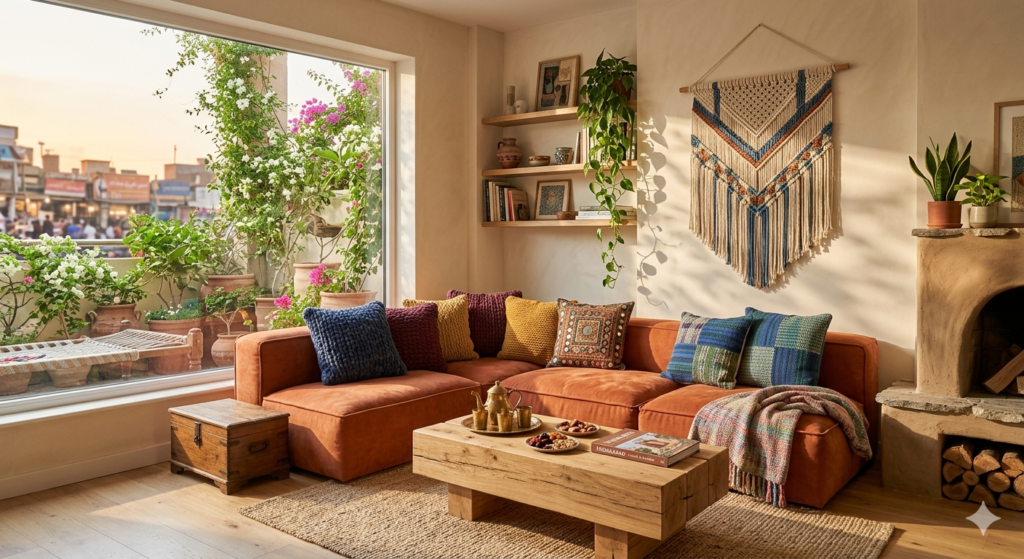
Color profoundly impacts how comfortable a space feels, and understanding contemporary comfort mipimprov color strategies helps create environments that support relaxation and wellbeing. Contemporary palettes typically favor sophisticated neutrals as foundations, allowing for flexibility and timelessness while creating calming backdrops for daily life.
Neutral doesn’t mean boring in contemporary comfort design. Layering different tones of whites, grays, beiges, and taupes creates depth and visual interest while maintaining a serene atmosphere. These foundational colors work beautifully in modern spaces because they reflect light effectively, making rooms feel more spacious and airy. The mipimprov approach encourages experimenting with various neutral shades to find combinations that feel personally inviting.
Accent colors introduce personality and energy without overwhelming spaces. Contemporary comfort typically incorporates these through accessories, artwork, or smaller furniture pieces rather than permanent elements like wall colors. This strategy allows for easy updates as preferences evolve. Colors drawn from nature like soft greens, warm terracottas, or deep blues often work particularly well because they connect interior spaces to the calming influence of natural environments.
Lighting dramatically affects how colors appear and feel throughout the day. The contemporary comfort mipimprov methodology emphasizes testing color choices under various lighting conditions before committing to large applications. What appears soothing in natural daylight might feel cold under evening artificial light, so considering how spaces will be used at different times ensures color choices support comfort consistently.
Lighting Strategies That Enhance Contemporary Comfort MipImprov
Proper lighting transforms spaces from merely functional to genuinely comfortable, and the contemporary comfort mipimprov approach treats lighting as a critical design element rather than an afterthought. Modern lighting strategies employ layered approaches that combine ambient, task, and accent lighting to create flexible, adaptable environments.
Natural light remains the gold standard for comfortable contemporary spaces. Maximizing daylight through appropriate window treatments, strategic mirror placement, and open floor plans improves mood, supports circadian rhythms, and reduces energy consumption. The mipimprov philosophy encourages assessing how natural light moves through spaces at different times and seasons, then adjusting furnishings and accessories to optimize this valuable resource.
Artificial lighting should replicate the qualities of natural light as closely as possible while offering control for different activities and times of day. Contemporary comfort favors warm color temperatures for living spaces, typically between 2700K and 3000K, which create inviting atmospheres that support relaxation. Dimmable options provide flexibility, allowing bright illumination for tasks and softer lighting for evening unwinding.
Layering different light sources at various heights prevents the harsh, flat feeling that single overhead fixtures create. Floor lamps, table lamps, wall sconces, and even candles contribute to a more nuanced, comfortable lighting environment. The contemporary comfort mipimprov approach suggests having multiple lighting options in each room, allowing customization based on activities, moods, and preferences throughout the day.
Textile and Texture in Modern Comfort Design
Textiles and textures play essential roles in contemporary comfort mipimprov environments by engaging the sense of touch and adding visual warmth to modern spaces. Contemporary design sometimes gets criticized for feeling cold or sterile, but thoughtful textile choices completely transform this perception while maintaining clean aesthetics.
Layering different textures creates depth and interest that invites interaction and exploration. Combining smooth leather with nubby linen, soft cotton with structured wool, or sleek wood with plush rugs engages multiple senses simultaneously. This variety prevents spaces from feeling monotonous while adding comfort through tactile diversity. The mipimprov methodology encourages regularly rotating textiles seasonally to maintain freshness and adapt comfort levels to changing weather.
Natural fibers generally perform better than synthetics in terms of breathability, durability, and aging characteristics. Cotton, linen, wool, and silk offer varying textures and properties that suit different applications. Contemporary comfort embraces these materials in their natural states or with minimal processing, celebrating authentic textures rather than heavily treated or artificial alternatives.
Practical considerations like washability and maintenance shouldn’t be overlooked when selecting textiles for comfortable contemporary spaces. Beautiful materials that require constant professional cleaning or special care often create stress rather than comfort. The contemporary comfort mipimprov philosophy balances aesthetic preferences with realistic lifestyle needs, choosing textiles that maintain their appeal through regular use and standard care routines.
Space Planning for Enhanced Contemporary Comfort
How spaces are organized fundamentally affects their comfort level, and contemporary comfort mipimprov principles offer guidance for creating layouts that support both functionality and relaxation. Effective space planning considers how rooms will actually be used rather than adhering to arbitrary design rules or traditional furniture arrangements.
Traffic flow deserves primary consideration when arranging any space. Clear pathways that don’t require navigating around furniture or squeezing through tight spots make rooms more comfortable to inhabit and use. Contemporary design often favors open, flowing arrangements that connect different areas visually while maintaining distinct functional zones. The mipimprov approach encourages living with arrangements temporarily before finalizing them, adjusting based on real-world use patterns.
Scale relationships between furniture, architectural features, and room dimensions significantly impact comfort. Oversized furniture in small rooms creates claustrophobia, while tiny pieces in large spaces feel scattered and uncomfortable. Contemporary comfort seeks the middle ground where furniture feels substantial and inviting without overwhelming available space. This often means choosing fewer, higher-quality pieces rather than filling every available spot.
Zoning creates purpose and structure within open contemporary spaces without requiring walls or permanent divisions. Area rugs, lighting changes, furniture arrangements, and even subtle level changes can define different functional zones while maintaining visual connectivity. The contemporary comfort mipimprov methodology recognizes that flexible, adaptable spaces serve modern lifestyles better than rigidly defined rooms with single purposes.
Incorporating Nature into Contemporary Comfort MipImprov
Biophilic design principles align perfectly with contemporary comfort mipimprov approaches, recognizing that human wellbeing improves dramatically when living spaces connect to natural elements. This connection doesn’t require rural settings or extensive gardens; even urban apartments can incorporate nature in ways that enhance comfort and livability.
Indoor plants represent the most obvious way to bring nature inside, offering air purification benefits alongside visual appeal. Contemporary comfort tends toward simple, sculptural plants in minimal containers rather than fussy arrangements that require extensive maintenance. Low-maintenance varieties like snake plants, pothos, or fiddle leaf figs work well in modern spaces, providing greenery without demanding expert horticultural knowledge.
Natural materials in furniture, flooring, and accessories create subtle connections to the natural world that register subconsciously. Wood in various finishes, stone countertops, wool textiles, and clay ceramics all contribute natural elements that make contemporary spaces feel more grounding and comfortable. The mipimprov philosophy encourages choosing materials in states that celebrate their natural origins rather than heavily processed versions that obscure their source.
Views and visual connections to outdoor spaces significantly enhance indoor comfort, even when actual access is limited. Positioning seating to take advantage of window views, using sheer curtains that filter rather than block natural vistas, and creating window displays that frame outdoor elements all strengthen the indoor-outdoor connection. Contemporary comfort recognizes that humans are fundamentally connected to nature and designs spaces that honor this relationship.
Technology Integration for Modern Comfort
Contemporary comfort mipimprov acknowledges that technology plays an increasingly important role in how we experience and control our living environments. Smart home systems, climate control, entertainment options, and communication tools all contribute to modern comfort when integrated thoughtfully rather than dominating spaces.
Climate control represents perhaps the most fundamental comfort technology, allowing precise temperature and humidity management. Contemporary approaches often favor programmable or smart thermostats that learn preferences and optimize comfort while managing energy efficiency. The mipimprov methodology suggests setting systems to maintain consistent comfort rather than making dramatic adjustments that waste energy and create uncomfortable fluctuations.
Entertainment technology can enhance or detract from contemporary comfort depending on how it’s integrated. Large televisions and sound systems deserve intentional placement that serves viewing needs without dominating rooms when not in use. Solutions like projectors, concealed speakers, or furniture that accommodates equipment without showcasing it help maintain clean contemporary aesthetics while supporting modern entertainment preferences.
Lighting control systems offer tremendous flexibility for creating comfortable environments throughout the day. Smart bulbs, automated shades, and programmable scenes allow easy transitions from bright, energizing morning light to soft, relaxing evening ambiance. The contemporary comfort mipimprov approach embraces technology that simplifies life and enhances comfort while avoiding gadgets that add complexity without meaningful benefits.
Maintaining Contemporary Comfort Through Seasons
Comfort needs change throughout the year, and the contemporary comfort mipimprov philosophy embraces seasonal adaptation rather than maintaining static environments year-round. This approach keeps spaces feeling fresh and appropriately comfortable regardless of weather while preventing boredom that comes from never changing familiar surroundings.
Textile swapping represents the easiest seasonal adjustment, replacing heavy wool throws and velvet pillows with light cotton and linen during warmer months. These changes affect both visual and physical comfort, making spaces feel temperature-appropriate even before climate control systems engage. The mipimprov methodology suggests maintaining edited collections of seasonal textiles that store compactly between uses.
Color adjustments, even subtle ones, can shift how spaces feel seasonally. Introducing warmer, richer tones during fall and winter creates cozy atmospheres, while lighter, fresher colors suit spring and summer. These changes don’t require repainting; swapping artwork, pillows, or decorative objects achieves similar effects with minimal effort and expense.
Furniture arrangement adjustments might seem unnecessary, but they can significantly impact seasonal comfort. Positioning seating to capture winter sunlight or avoid summer heat, adjusting window treatments for changing sun angles, and even rotating rugs to accommodate seasonal traffic patterns all contribute to year-round contemporary comfort. Regular seasonal reviews provide opportunities to refresh spaces and address changing needs.
Personal Expression Within Contemporary Comfort MipImprov
While contemporary design sometimes appears impersonal or overly minimalist, the contemporary comfort mipimprov approach insists that truly comfortable spaces reflect the individuals who inhabit them. Personal expression and modern aesthetics coexist beautifully when approached thoughtfully, creating environments that feel both current and authentically personal.
Art and personal collections deserve prominent display in comfortable contemporary homes. Rather than cluttering surfaces with numerous small items, contemporary comfort typically favors curated displays that give meaningful objects space to shine. Rotating displays prevents visual fatigue while ensuring that displayed items receive attention and appreciation rather than becoming invisible background elements.
Color preferences, cultural connections, and personal history all deserve consideration in comfortable contemporary spaces. The mipimprov philosophy encourages honoring these personal elements within contemporary frameworks rather than suppressing them to achieve magazine-perfect aesthetics. Spaces that genuinely reflect inhabitants feel more comfortable than those designed purely for external approval.
Hobbies and interests shape how spaces should function, and contemporary comfort embraces this reality rather than forcing activities into predetermined room purposes. Reading nooks, craft areas, music corners, or workout zones all deserve accommodation in plans for comfortable contemporary living. Flexibility and adaptation ensure that spaces evolve alongside changing interests and life circumstances.
FAQS
What exactly does contemporary comfort mipimprov mean for homeowners?
Contemporary comfort mipimprov represents an approach to creating modern living spaces that prioritize genuine comfort alongside aesthetic appeal. It emphasizes continuous improvement and personal adaptation, ensuring spaces evolve with changing needs while maintaining contemporary design principles that support wellbeing and relaxation.
How can I start implementing contemporary comfort mipimprov on a budget?
Begin with small, impactful changes like updating textiles, improving lighting with affordable lamps, decluttering to create better flow, and rearranging existing furniture for better functionality. The mipimprov methodology values thoughtful incremental improvements over expensive complete renovations, making it accessible regardless of budget constraints.
Does contemporary comfort work in small apartments or only large homes?
Contemporary comfort mipimprov principles apply beautifully to spaces of any size. Small spaces often benefit even more from thoughtful planning, multi-functional furniture, and careful editing that contemporary approaches emphasize. The focus on quality over quantity and intentional design makes these strategies particularly effective in compact living situations.
How often should I update my space following mipimprov principles?
The improvement aspect of mipimprov suggests ongoing minor adjustments rather than scheduled major overhauls. Seasonal textile changes, regular decluttering, and addressing functional issues as they arise maintains comfort without requiring constant dramatic changes. Major updates might happen every few years as life circumstances or preferences evolve significantly.
Can contemporary comfort mipimprov incorporate traditional or vintage pieces?
Absolutely. Contemporary comfort focuses on how spaces feel and function rather than demanding everything be brand new or strictly modern. Vintage and traditional pieces often add character, quality craftsmanship, and personal meaning that enhance comfort. The key is integrating diverse elements thoughtfully within cohesive overall design frameworks.
CONCLUSION
Embracing contemporary comfort mipimprov principles transforms how you approach creating and maintaining living spaces that genuinely support modern life. This philosophy recognizes that true comfort extends beyond physical softness to encompass visual harmony, emotional wellbeing, and practical functionality. By understanding these interconnected dimensions and applying strategies thoughtfully, anyone can create environments that feel both stylishly current and deeply personal.
The beauty of the contemporary comfort mipimprov approach lies in its flexibility and accessibility. Whether you’re furnishing a first apartment, updating a long-time home, or simply seeking to enhance daily comfort, these principles offer actionable guidance that adapts to individual circumstances, preferences, and budgets. Remember that creating comfortable contemporary spaces is an ongoing journey rather than a destination, with continuous small improvements yielding significant cumulative benefits. Start with changes that resonate most strongly, trust your personal comfort instincts, and allow your spaces to evolve naturally as your understanding deepens and your life changes.